
Finding Hope When Other Treatments Haven’t Helped
When you feel like you have tried everything possible to improve your depression symptoms, and nothing has worked, it’s easy to lose hope for recovery. After trying multiple antidepressant medications and psychotherapy with little to no relief, you may be wondering what you could do next.
Transcranial Magnetic Stimulation (TMS) therapy is an FDA-approved, non-invasive treatment option for those with depression symptoms, OCD, and other mental illnesses. While there may be fear or hesitation from someone trying TMS for the first time, Sunrise Psychiatry strives to make each patient feel comfortable from the moment we meet, to reduce anxiety about the unknown.
We’re sharing with you real TMS success stories from Kansas City patients who experienced significant improvements and even described the treatment as life-changing
Understanding How TMS Therapy Works
TMS therapy works by delivering magnetic pulses to stimulate specific brain regions linked to mood regulation and executive function. In comparison to other treatment options like antidepressant medications and ECT (electroconvulsive therapy), TMS is a gentle, outpatient treatment that does not require anesthesia. rTMS allows you to resume your normal day-to-day activities after treatment.
Some side effects include mild scalp discomfort or headaches, but with consistent communication with your medical provider, Dr. Sonni Elliott, and your TMS techs, we carefully monitor symptoms and prioritize safety and comfort throughout your treatment journey.
What the TMS Experience Looks Like at Sunrise Psychiatry
From the moment you walk in the door for the first time at Sunrise Psychiatry, you’re met with a warm welcome from our team. Your first TMS appointment is designed to feel calm, informative, and supportive. It begins with a relaxed consultation, where we answer questions and talk through what to expect. We then determine measurements and perform a mapping of the brain to ensure treatment is targeted and personalized to you.
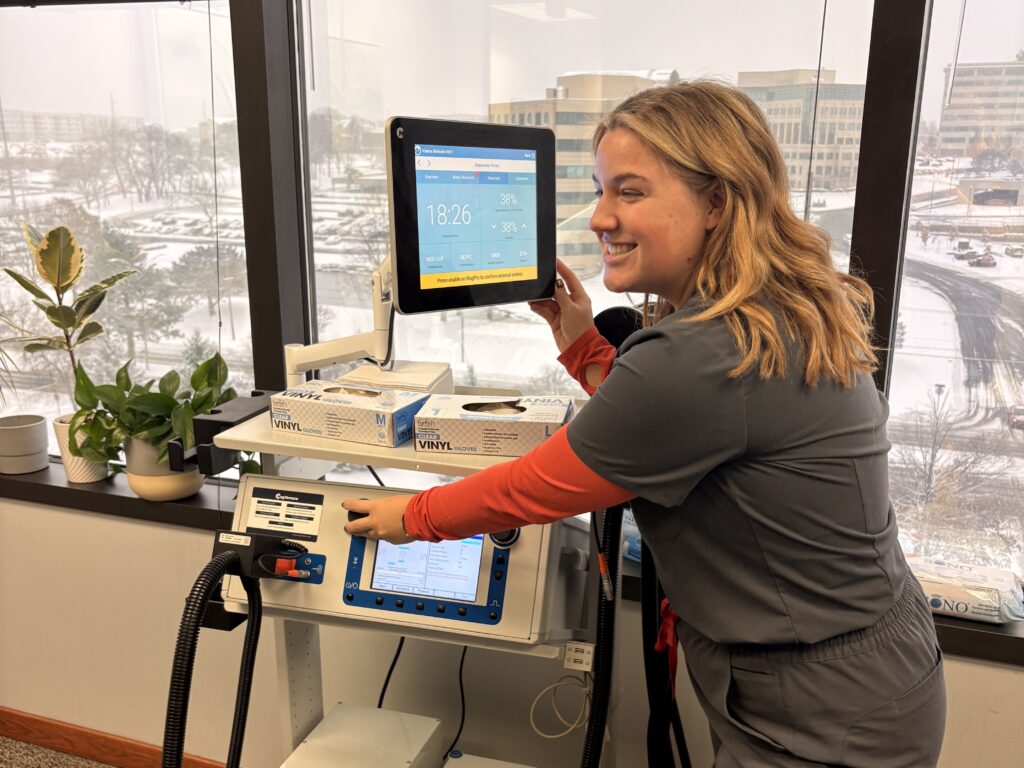
During TMS sessions, patients sit in comfortable, cozy chairs in a quiet, private room. Our clinicians check in regularly to make sure you feel at ease. Some patients choose to listen to music, watch TV, or simply rest during their session. Loved ones are welcome to wait nearby, and our team is always close by for support.
TMS is an outpatient treatment with short, manageable sessions that fit into your day. Many patients come in before or after work and continue with their normal routines. We also coordinate care with medication management and therapy providers when appropriate, creating a streamlined, low-stress process.
Throughout the entire experience, we prioritize clear communication, ongoing safety checks, and compassionate guidance. Our goal is to reduce fear of the unknown and make each step feel comfortable, supported, and predictable.
Real TMS Success Stories from Kansas City Patients
For many Kansas City patients, TMS has brought a renewed sense of hope after years of struggling with treatment-resistant depression. We’ve seen individuals move from feeling stuck and discouraged to experiencing meaningful, noticeable improvements in their mood, energy, and daily functioning.
Some patients share that before TMS, they felt like they were simply surviving. After completing treatment, they describe reconnecting with hobbies, relationships, and parts of themselves they hadn’t felt in years.
We often hear phrases like:
- “I feel like I got my life back.”
- “This was life-changing for me.”
- “My loved ones noticed the difference before I did.”
Patients frequently tell us how much they value the welcoming environment and the way they feel cared for by our team. Many are relieved by the minimal side effects and express gratitude for finding an option that helped when other treatments did not.
These stories are powerful reminders that improvement is possible, even after a long period of struggle.
Why TMS Works: What the Research (and Experience) Shows
TMS is supported by years of clinical research, long-term use, and FDA recognition as an effective treatment for treatment-resistant depression and other mental health conditions.
For those who feel anxious about the idea of brain stimulation, it can help to know that TMS is highly targeted. It does not affect the whole brain. Instead, it focuses on specific areas of the brain that are involved in mood regulation.
By gently stimulating these areas, TMS helps restore healthier activity patterns in the brain. Over time, this can lead to improvements in mood, motivation, concentration, and overall wellness.
Our experience working with patients continues to reflect what research has shown: when traditional treatments have not provided enough relief, TMS can offer a meaningful and effective alternative.
Who Is a Good Candidate for TMS?
TMS treatment is often considered for individuals who:
- Have treatment-resistant depression
- Have tried multiple medications with limited success
- Experience unwanted side effects from medications
- Are living with OCD or other mental health challenges
- Are navigating postpartum depression
- Want a non-invasive treatment option
- Are age 15+
At Sunrise Psychiatry, we evaluate each person individually. We look at your medical history, current symptoms, lifestyle, and treatment goals to determine whether TMS may be a good fit.
If you are unsure, we encourage you to take our self-assessment to help you better understand whether you might be a candidate for TMS treatment.
Your Next Step Toward Feeling Better
For many people, TMS therapy truly has been life-changing. It has helped patients find relief, regain hope, and reconnect with the parts of life that bring meaning and joy.
If you or someone you love is struggling with depression and feeling like nothing has worked, there may still be another path forward. You deserve support, options, and care that is tailored to you.
Our team is here to guide you with compassion, expertise, and personalized attention every step of the way. If you’re curious about whether TMS therapy could help you get your life back, we invite you to reach out and schedule a consultation. Together, we can explore this treatment option and take the next step toward healing and wellness.